
TUI ALLIED HEALTH SERVICES
Cupping
TUI ALLIED HEALTH
Cupping
Enhance circulation, reduce pain, and support your body’s natural healing.
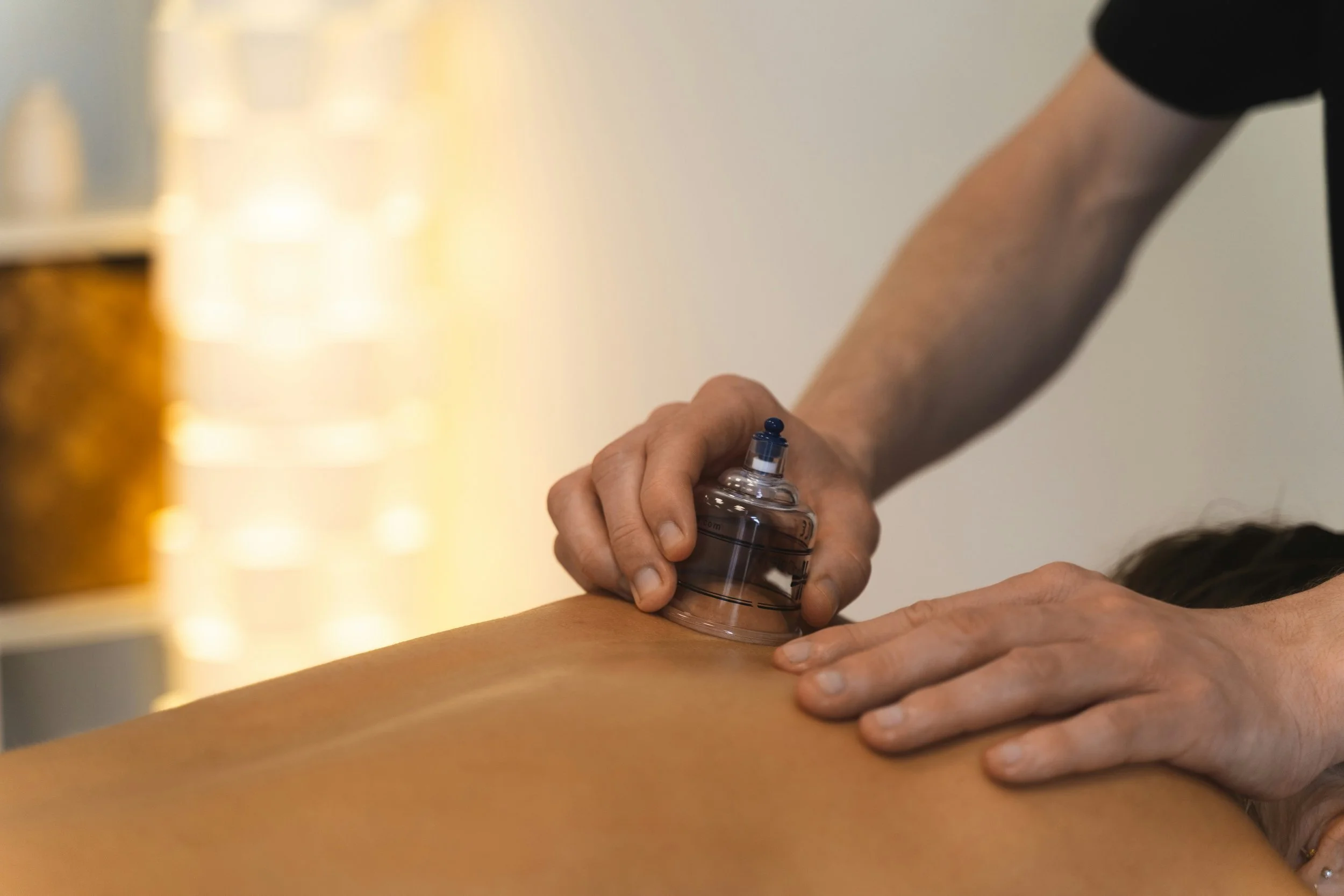
Cupping is an alternative therapy that uses suction cups on the skin to improve blood flow, reduce muscle tension, and support overall wellbeing. Practiced for thousands of years across cultures including Chinese, Korean, Egyptian, and Tibetan medicine, cupping is now commonly integrated into modern wellness and complementary healthcare.
Our cupping service
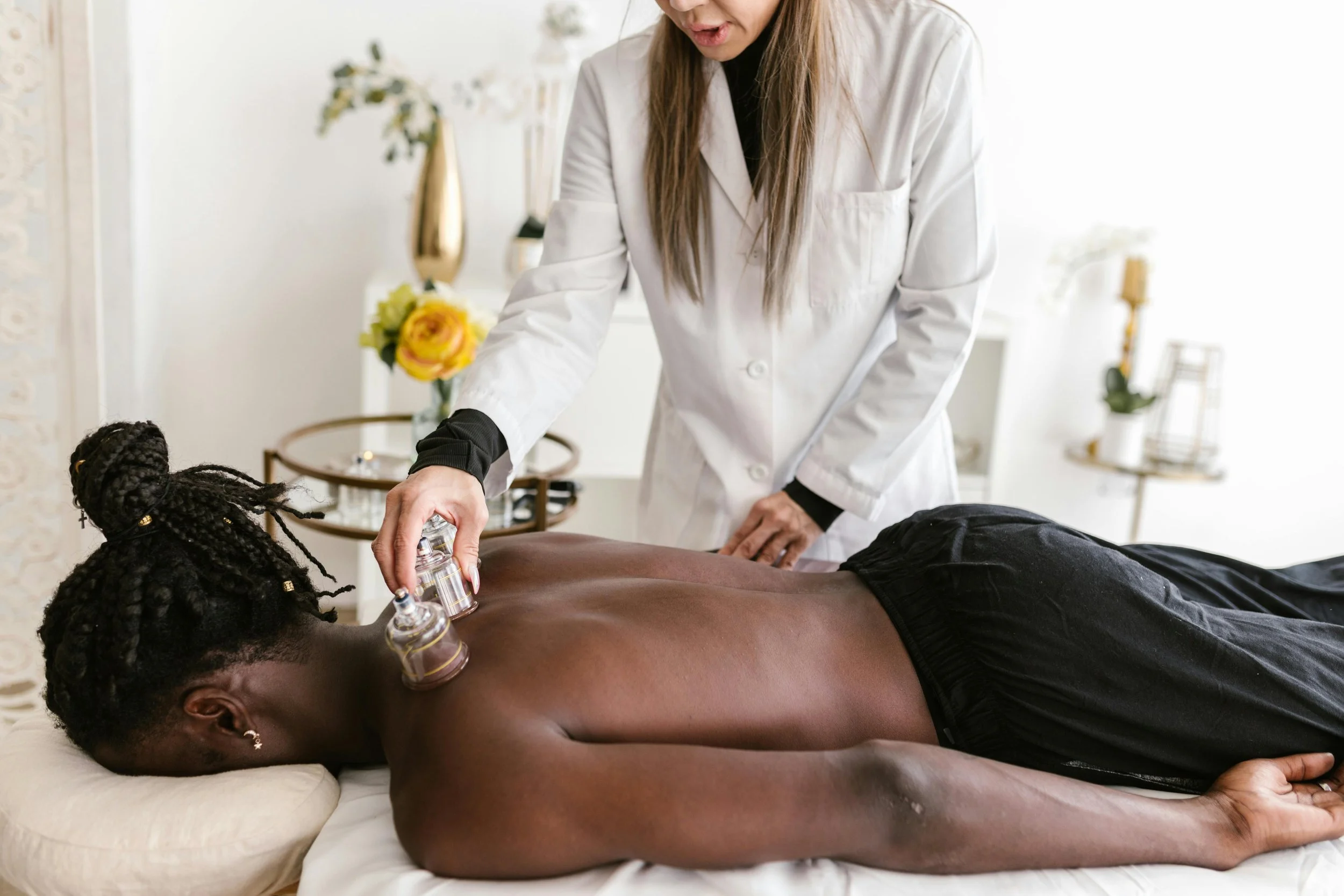
At Tui Allied Health, cupping is offered as part of a holistic approach to health. Our practitioners place cups on key areas of the body to promote circulation, relieve tension, and support natural healing processes. Cupping may be used alone or alongside acupuncture or other therapies to maximise benefits.
How cupping works
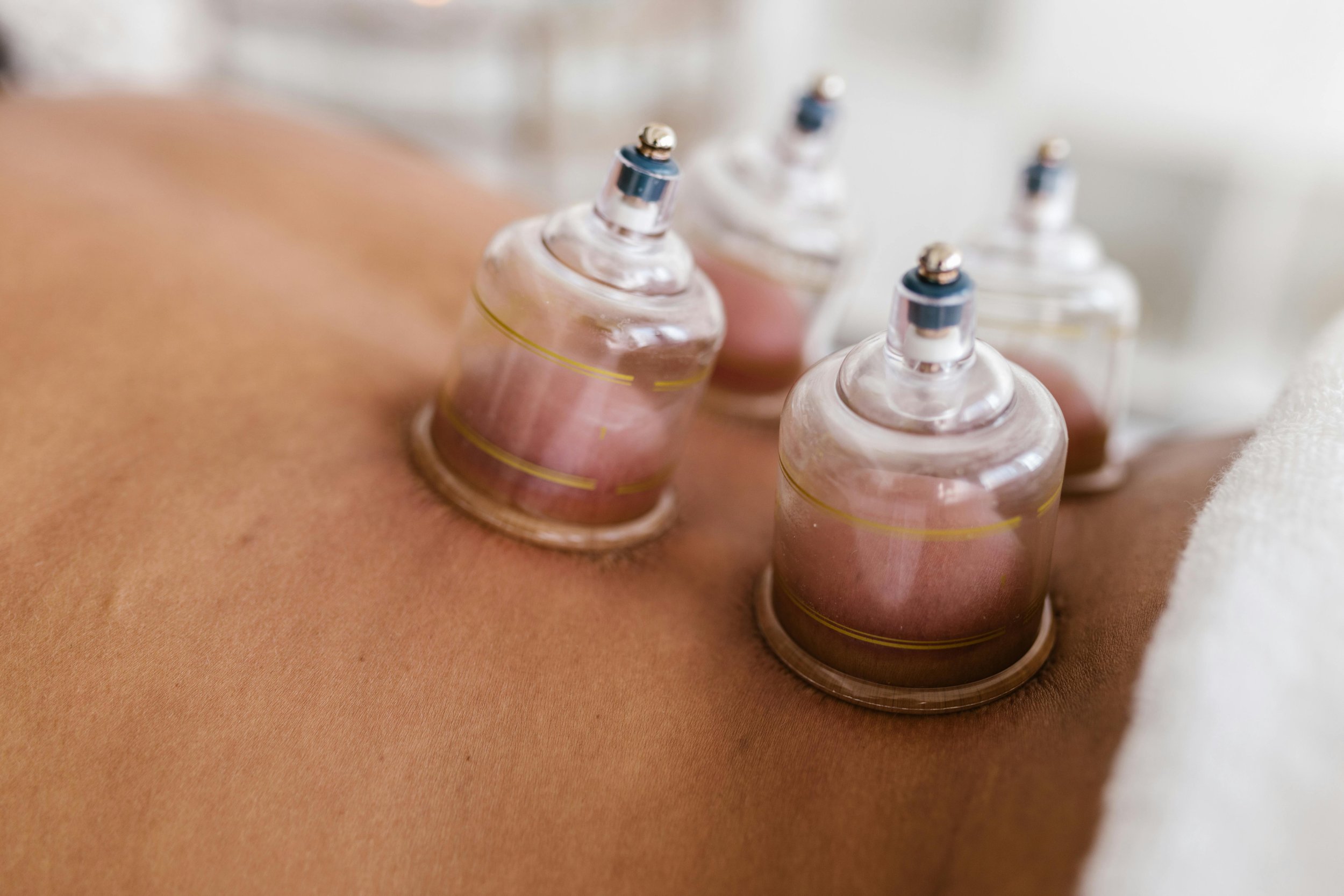
Research indicates cupping may influence local metabolism, reduce inflammation, and support connective tissue health. Cupping creates suction on the skin, which is thought to:
Improve
Improve blood flow and tissue repair.

Reduce
Reduce muscle tension and pain.

Stimulate
Stimulate the immune system.

Promote
Promote relaxation and overall balance.
CUPPING
What to expect during a session
Your practitioner will discuss your symptoms and health history.
Cups will be applied to areas such as the back, chest, abdomen, buttocks, or legs.
You will feel suction and pressure as the cups are applied, sometimes using heat or manual suction.
Cups may be left in place for a few minutes before removal.
Your skin may appear red or show light marks/bruising, which is a normal response.

CUPPING
Conditions cupping can help with
Cupping is often used for conditions that cause muscle aches and tension, but may also support treatment for other health concerns. Cupping is best used as part of a broader health plan tailored to your individual needs. Common uses include:
-
Eg. Neck pain, shoulder pain, lower back pain and knee pain.
-
Eg. Headaches and migraines, facial paralysis.
-
Eg. Shingles and skin conditions such as acne.
-
Examples include cough, dyspnea and asthma.
-
Conditions such as acne.
-
Musculoskeletal conditions include lumbar disc herniation, cervical spondylosis, brachialgia, carpal tunnel syndrome.
Chronic conditions include hypertension, diabetes, and rheumatoid arthritis.